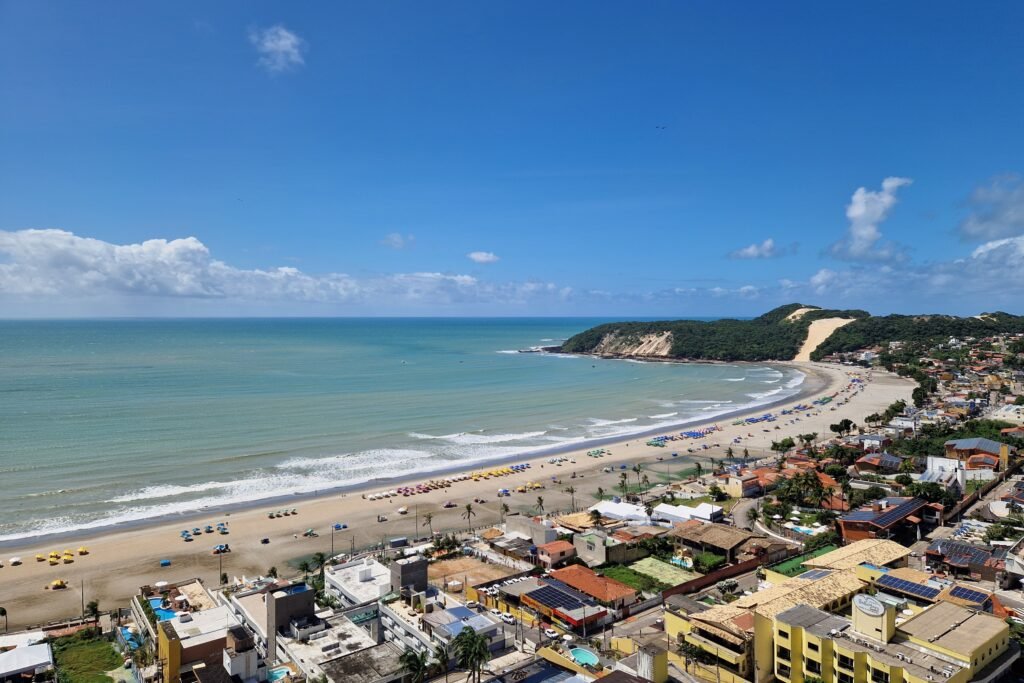
Around fifteen kilometres north of Natal, Genipabu offers one of the most distinctive landscapes on the Rio Grande do Norte coast. With its sand dunes, ocean, lagoon and vegetation, the scenery changes remarkably quickly once you leave the capital behind.
Genipabu is also closely associated with buggy tours, which have become one of the region's most iconic visitor experiences. But beyond this familiar image lies a protected natural environment that deserves to be explored for more than just the thrill of the ride.
Contents
Genipabu, just north of Natal
Genipabu lies within the municipality of Extremoz, immediately north of Natal. Its proximity to the capital makes it an easy day trip, yet the change in scenery quickly gives you the feeling that you have left the urban environment behind.
Part of this area belongs to the Jenipabu Environmental Protection Area (Área de Proteção Ambiental de Jenipabu), created in 1995. This protected area covers parts of the municipalities of Extremoz and Natal and helps preserve a landscape that includes dunes, lagoons, beaches and coastal vegetation.
A landscape shaped by the dunes
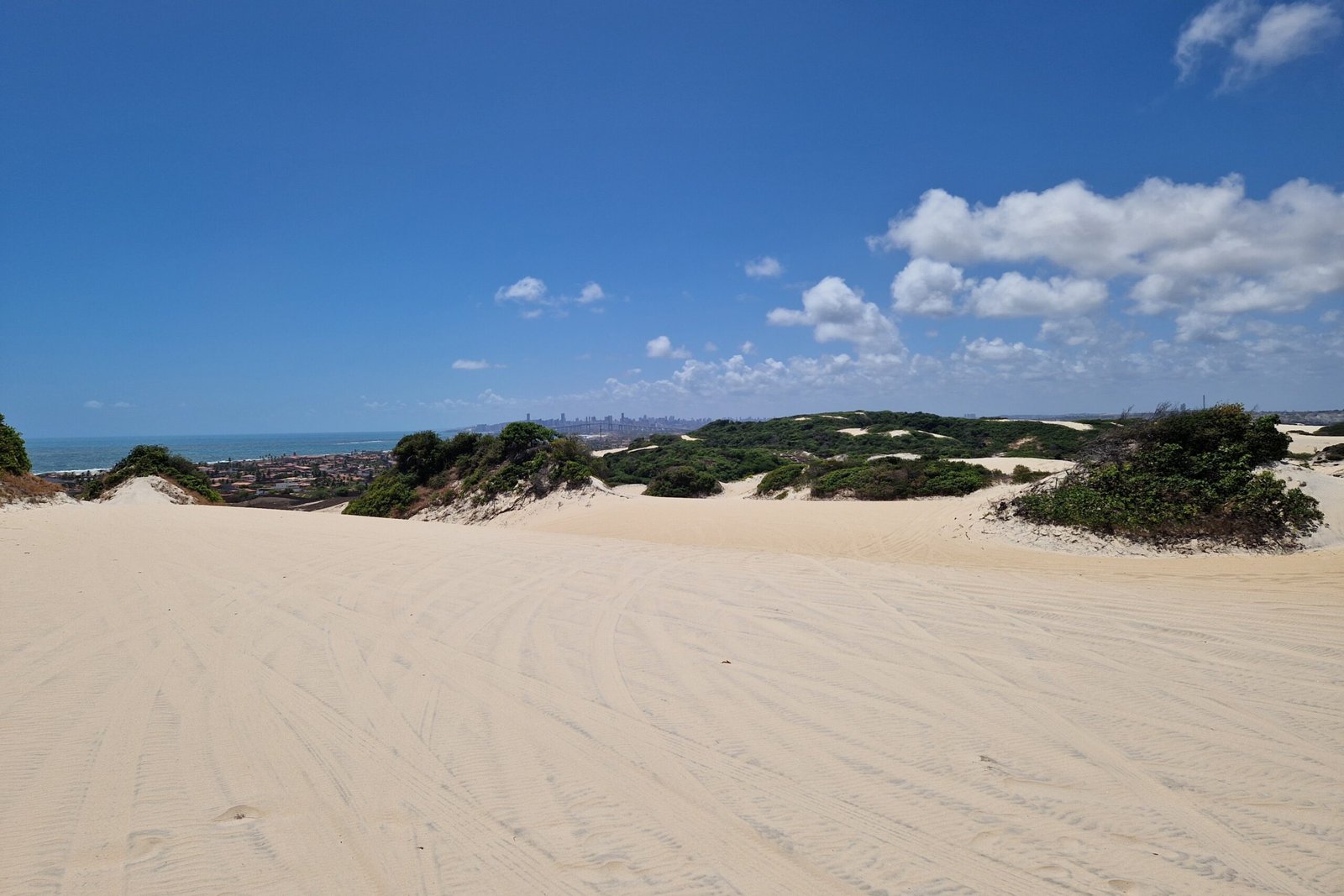
The dunes are Genipabu's most immediately recognisable feature. The sand forms large ridges that rise above parts of the coastline, creating viewpoints where dunes, vegetation and ocean come together.
This landscape has also made Genipabu one of the best-known images of tourism in Rio Grande do Norte. The municipality of Extremoz highlights its dunes, freshwater lagoon and the natural landscapes surrounding the beach among the area's main attractions.
Genipabu Beach
At the foot of the dunes lies Genipabu Beach. The combination of beach and dune landscape gives it a very different character from Natal's urban beaches.
You can therefore enjoy Genipabu without necessarily taking a buggy tour. Spending time on the beach, viewing the dunes from the coastline and simply taking in the landscape is already another way to experience the area.
Genipabu Lagoon
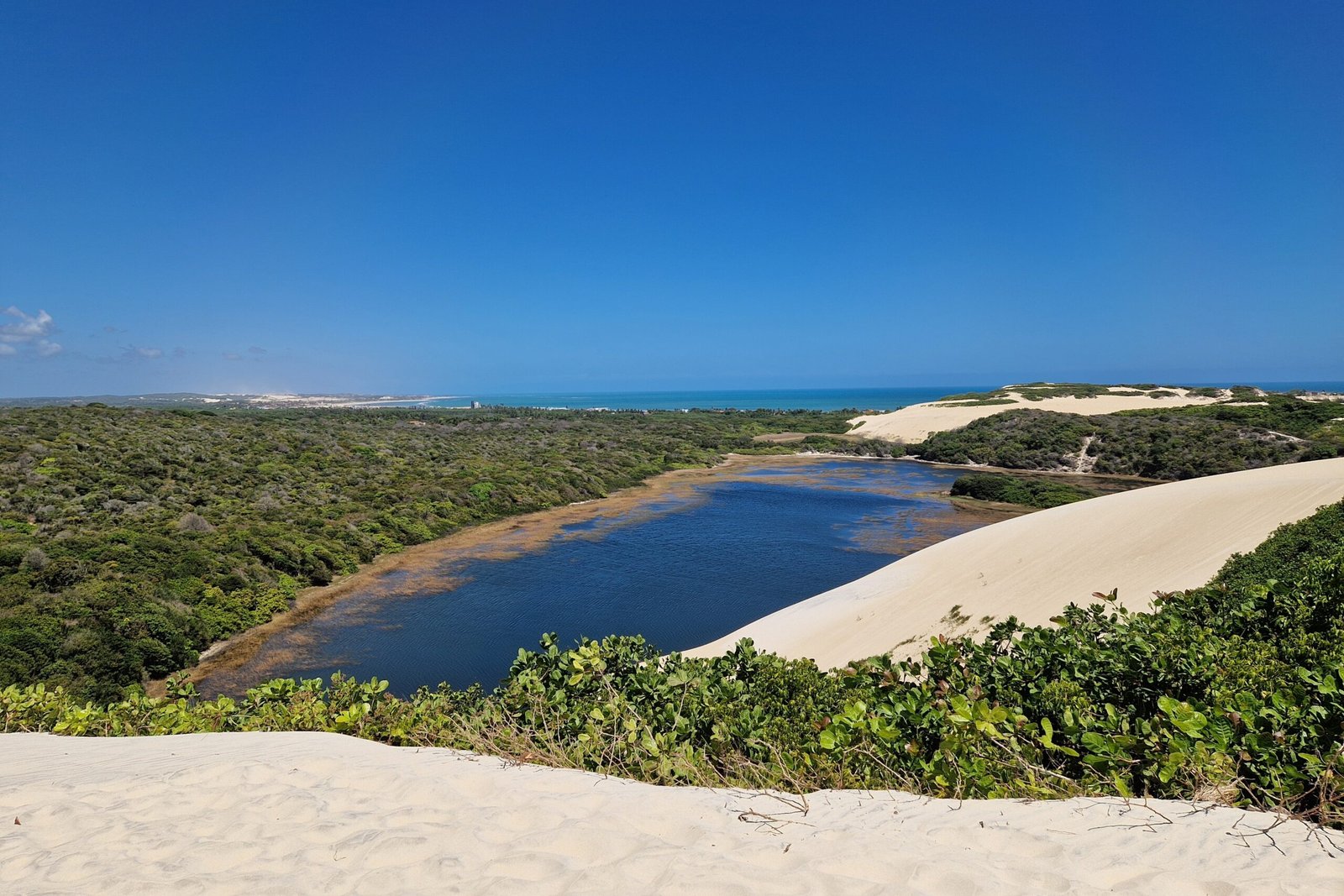
Close to the dunes, Genipabu Lagoon adds another dimension to the landscape. This freshwater lagoon is one of the area's characteristic natural features and contrasts with the ocean just a few hundred metres away.
The close succession of sea, dunes and freshwater helps explain the variety of landscapes found within a relatively small area around Genipabu.
Buggies and the famous dunes
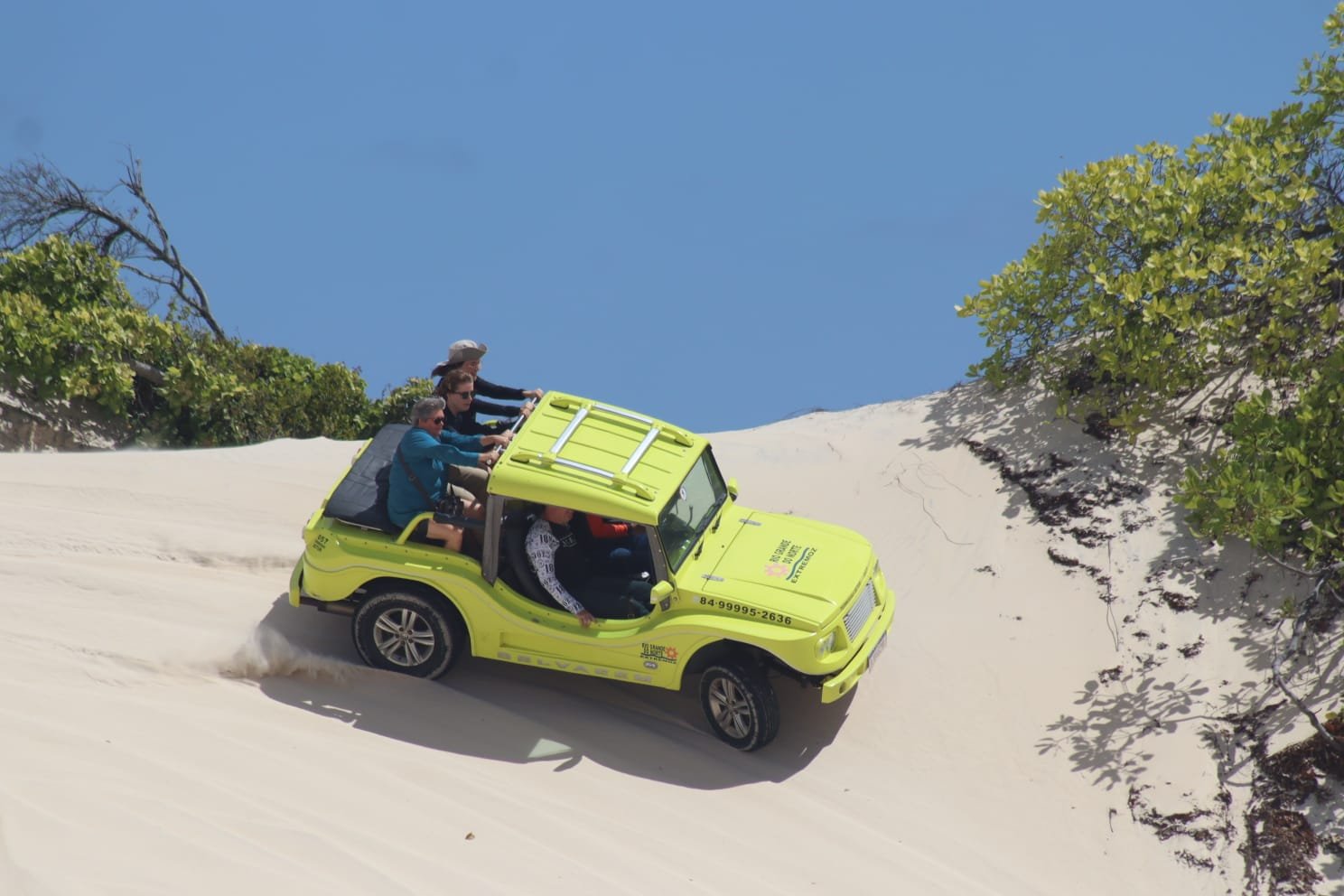
It is impossible to talk about Genipabu without mentioning the buggies. Tours across the dunes have long been part of the area's tourism history and have played a major role in making Genipabu known throughout Brazil and abroad.
The activity is regulated, however. Within the Jenipabu Environmental Protection Area, buggy tours must follow designated and signposted routes, using vehicles and professionals that comply with the rules established by the relevant authorities. The aim is both to protect visitors and to limit the impact on this fragile environment.
When choosing a buggy tour, it is therefore advisable to check that the driver is properly accredited. Authorised vehicles carry identification and the appropriate permission to provide this service.
A natural environment to explore with respect
The dunes are not simply a playground for tourism. Genipabu forms part of a protected environment whose balance depends on preserving the dunes, vegetation and wetlands.
The restrictions on driving across the dunes reflect this need: vehicles cannot travel freely everywhere and must follow routes authorised by the environmental authorities.
Discovering Genipabu therefore also means understanding that the beauty of the area depends on how visitors and tourism activities make use of this environment.
Genipabu as a starting point for the northern coast
Genipabu can easily be the first stop when exploring the coast north of Natal. As you continue along the coast, other beaches, dunes and lagoons gradually appear, particularly around Pitangui and further north.
This succession of landscapes also explains why many buggy excursions do not stop at Genipabu but continue their journey along the coastline.
There is no need, however, to try to see everything in a single day. Genipabu deserves time in its own right rather than being treated simply as a quick stop between two attractions.
Discovering Genipabu at your own pace
Genipabu is often associated with one particular image: a buggy crossing vast dunes with the ocean in the background. That image is undoubtedly part of its tourism identity.
But taking the time to appreciate the beach, lagoon, dunes and vegetation reveals a natural environment that is much richer than this single experience might suggest.
And in the spirit of KM0, Genipabu can above all become the first starting point for gradually exploring the northern coast of Rio Grande do Norte.